
A Complete Guide for Homeowners and Business Owners
What Is an Electricity Meter?
An electricity meter — also called a kilowatt-hour (kWh) meter — is a device that measures how much electrical energy is consumed by a home, business, or any property connected to the power grid. It is the bridge between you and your utility provider, recording every watt you use so you can be billed accurately.
Whether you’re building a new home, upgrading your electrical system, or simply trying to understand your energy bill, knowing how your electricity meter works is essential.
Types of Electricity Meters
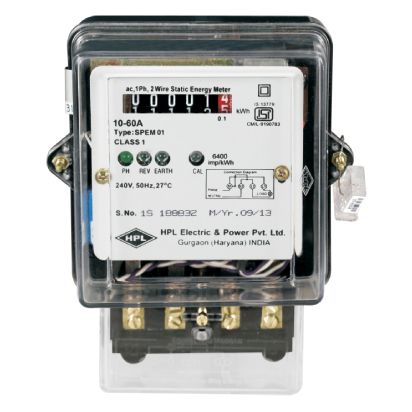
- Analog (Electromechanical) Meters
The classic spinning-disc meter. It uses electromagnetic induction to turn a metal disc at a speed proportional to the power being consumed. Numbers are read from a series of rotating dials.
- Found in older homes and buildings
- Requires manual reading by a utility technician
- Durable and long-lasting but less accurate
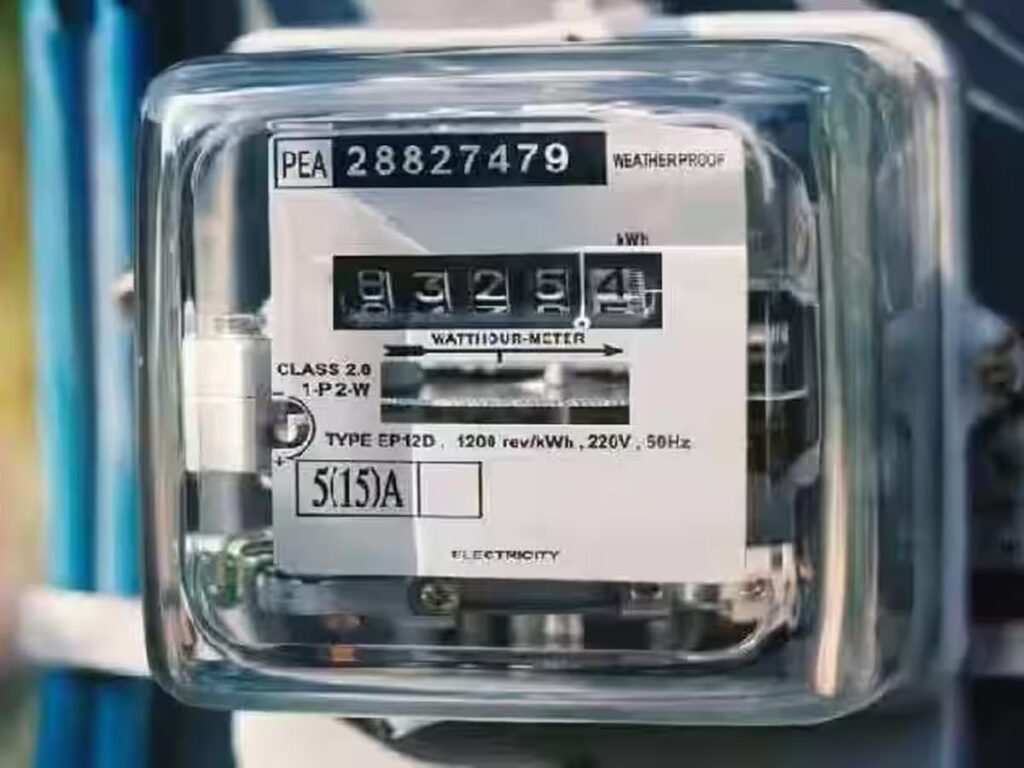
2. Digital (Electronic) Meters
Modern digital meters display consumption on an LCD screen, making them easier to read and more accurate than analog models.
- Show exact kWh usage on a clear display
- Some models can store data over time
- Faster and more precise readings
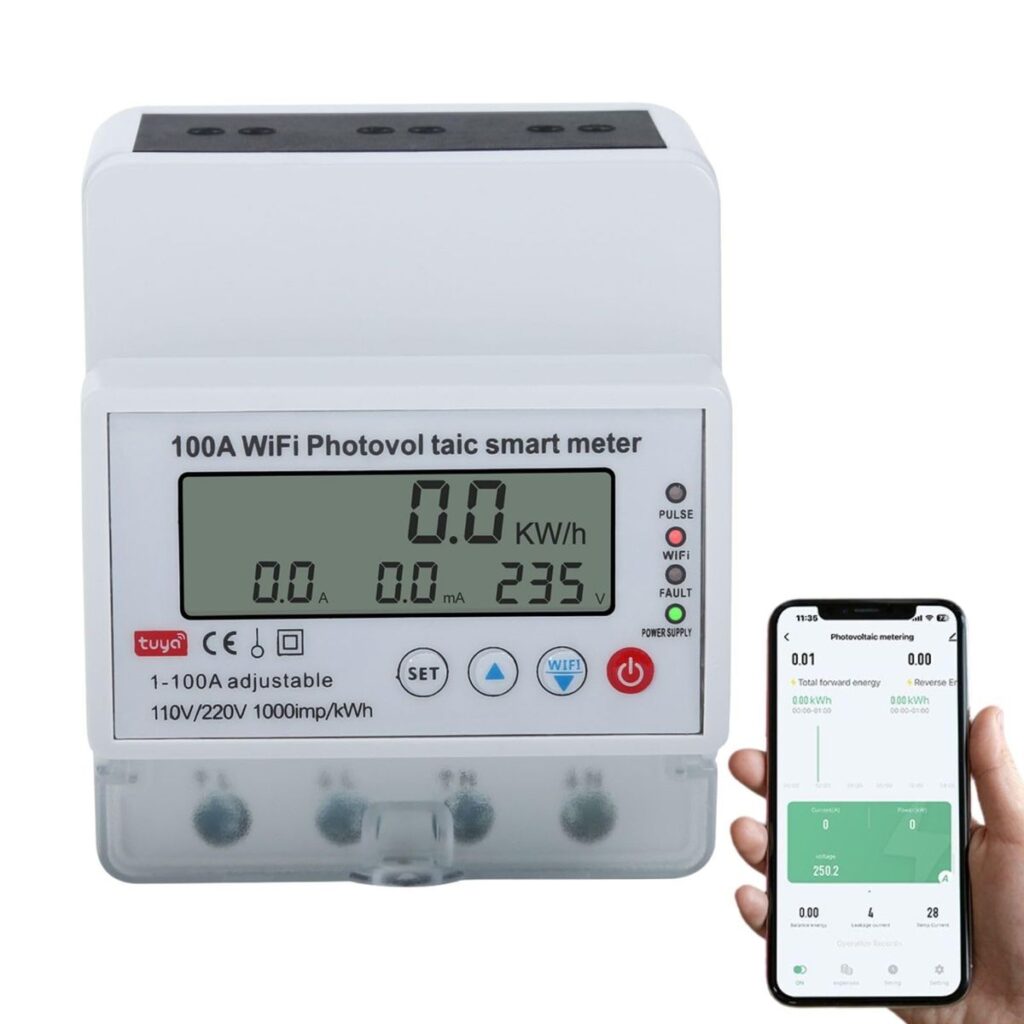
3. Smart Meters
The latest generation of electricity meters. Smart meters communicate wirelessly with your utility provider, sending real-time usage data automatically — no technician visit needed.
- Two-way communication between your home and the grid
- Real-time energy monitoring via apps
- Help identify peak usage times and reduce bills
- Support time-of-use (TOU) pricing plans
How to Read Your Electricity Meter
Reading your meter helps you track consumption and verify your bills.
For digital meters:
Simply note the number displayed on the screen (in kWh). To calculate usage between two periods, subtract your previous reading from your current reading.
Example:
- Current reading: 4,520 kWh
- Previous reading: 4,350 kWh
- Usage this month: 170 kWh
For analog dial meters:
Read each dial from left to right. If the pointer is between two numbers, record the lower number. This takes some practice but becomes easy with time.
Why Your Electricity Meter Matters
Understanding your meter can help you:
- Control Your Energy Bills — By monitoring consumption regularly, you catch sudden spikes early and adjust usage habits before the bill arrives.
- Detect Electrical Faults — Unusually high readings when appliances are off may indicate faulty wiring, a leaking circuit, or even meter tampering.
- Reduce Energy Waste — Awareness of your kWh usage motivates energy-saving habits like switching to LED lighting, using appliances during off-peak hours, and investing in energy-efficient equipment.
- Plan Electrical Upgrades — If you’re adding air conditioners, solar panels, EV chargers, or industrial equipment, your meter data helps determine if your current capacity is sufficient.
